


 Bud
Bud

 Hash
Hash
 Infused Pre Roll
A Complete Guide for Responsible Consumers

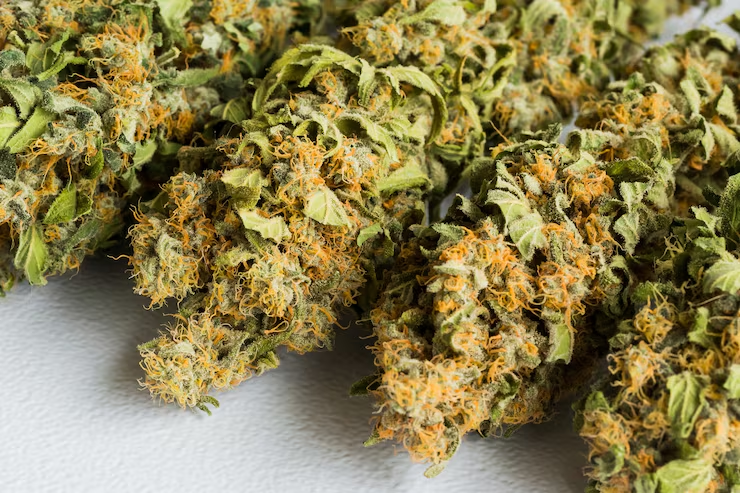
Cannabis flower, commonly known as “bud,” is the dried and cured flowering part of the cannabis plant. It remains one of the most widely used cannabis products in Canada due to its versatility and familiarity among consumers.
Since legalization under the Cannabis Act, cannabis flower is regulated to ensure product safety, quality, and clear labeling. Consumers are required to purchase from authorized retailers and follow local provincial rules regarding possession and use.
Understanding Cannabis Types
Cannabis flower is often categorized into indica, sativa, and hybrid varieties. While these labels are widely used, effects can vary based on cannabinoid content (such as THC and CBD) and terpene profiles rather than classification alone.
- Indica: Often associated with relaxation
- Sativa: Commonly linked to more energizing effects
- Hybrid: A combination of both
It is important to note that individual experiences may differ.
Potency and Cannabinoids
Two primary compounds found in cannabis are:
- THC (tetrahydrocannabinol): The psychoactive component
- CBD (cannabidiol): Non-intoxicating and often chosen by those seeking lower psychoactive effects
Legal cannabis products in Canada must clearly display THC and CBD levels, allowing consumers to make informed decisions.
Storage and Freshness
To maintain quality, cannabis flower should be stored in a cool, dry place away from direct sunlight. Proper storage helps preserve potency and aroma while reducing the risk of contamination.
Responsible Use
The Health Canada recommends:
- Starting with lower THC products
- Avoiding frequent or excessive use
- Not combining cannabis with alcohol or other substances
- Never driving or operating machinery after use
Cannabis is strictly for adults of legal age, and it should always be stored securely away from children and pets.
Final Thoughts
Cannabis flower continues to be a foundational product in the Canadian cannabis market. By understanding product labeling, potency, and legal responsibilities, consumers can make informed and responsible choices.